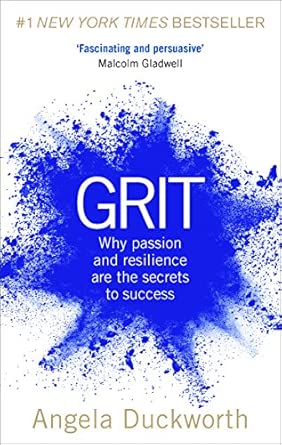


Grit
Angela Duckworth
Grit by Angela Duckworth – Book Overview
Grit by Angela Duckworth explores why sustained effort and perseverance matter more than talent, intelligence, or early success when it comes to long-term achievement. The book challenges the widespread belief that exceptional performance is driven primarily by natural ability, arguing instead that success is built through consistent effort applied over time.
Angela Duckworth introduces grit as a combination of passion and perseverance directed toward long-term goals. Rather than focusing on short bursts of motivation or raw potential, the book examines how people who achieve meaningful results commit to improvement over years, often in the face of setbacks, boredom, and failure.
Drawing on psychological research, personal stories, and case studies from education, sport, business, and the military, Grit provides a clear and practical lens for understanding performance that lasts. Its relevance lies not in promising quick wins, but in explaining what it truly takes to stay the course.
What Is Grit About?
The Core Idea Explained Simply
At its core, Grit is about sustained commitment. Angela Duckworth defines grit as the ability to maintain effort and interest toward long-term goals, even when progress is slow, obstacles appear, or motivation fluctuates.
The book argues that talent alone is a poor predictor of success. Many highly capable individuals fail to achieve lasting results because they lose focus, change direction too often, or give up when progress becomes uncomfortable. In contrast, gritty individuals continue to show up, practise deliberately, and refine their skills over time.
Duckworth distinguishes grit from simple resilience. Resilience helps people recover from setbacks, while grit keeps them moving in the same direction for years. This long-term orientation is what separates high performers from those who start strong but fade.
The book also explores how interest develops gradually. Passion is not always discovered instantly; it is often cultivated through exposure, learning, and persistence. Gritty individuals allow their interests to deepen rather than constantly searching for novelty.
Another core idea is deliberate practice. Effort must be purposeful and focused, not repetitive or complacent. High performers seek feedback, work on weaknesses, and accept discomfort as part of improvement.
Ultimately, Grit reframes success as a marathon rather than a sprint, where consistency, patience, and discipline outweigh short-term intensity.
Who This Book Is For
This book is highly relevant for leaders, professionals, educators, and anyone pursuing long-term goals. It resonates with individuals who feel frustrated by slow progress or who question whether persistence is worth the effort.
It is particularly useful for those responsible for developing people, building capability, or sustaining performance over time.
Key Principles from Grit
The Main Ideas or Frameworks
The central concept of the book is grit itself, defined as passion and perseverance for long-term goals.
Duckworth also introduces the idea of the “hard thing rule,” which encourages individuals to commit to challenging activities and see them through, even when they become difficult or less enjoyable.
The book highlights the role of deliberate practice, effortful learning, and feedback in developing expertise.
Why These Ideas Matter in Practice
These ideas matter because many performance challenges are not due to lack of ability, but lack of persistence.
In practice, organisations that reward effort, learning, and improvement tend to outperform those focused solely on short-term results.
Over time, grit supports sustainable growth and resilience.
How Grit Applies to Business & Performance
Application in Leadership and Teams
In leadership contexts, Grit encourages leaders to value effort and learning rather than only outcomes. This creates environments where people feel safe to persist through difficulty.
This perspective aligns closely with the long-term thinking described in The Infinite Game, where endurance matters more than short-term wins.
Teams that develop grit are better equipped to handle pressure, uncertainty, and change.
Application in Personal Performance and Discipline
At an individual level, the book reframes discipline as a long-term commitment rather than daily motivation.
This complements the habit-based consistency explored in Atomic Habits, where small actions repeated over time drive results.
Individuals who apply these principles maintain focus even when progress feels slow.
Practical Examples and Real-World Application
Building Grit in a Business Environment
Organisations build grit by setting long-term goals, encouraging learning from failure, and recognising effort alongside results.
Leaders reinforce grit by modelling persistence and maintaining standards during challenging periods.
Over time, this creates cultures that value improvement rather than quick fixes.
Overcoming Common Challenges in Practice
A common challenge is boredom or frustration when progress slows.
The book encourages reframing discomfort as part of growth rather than a signal to stop.
This mindset supports sustained effort and resilience.
Strengths and Limitations of Grit
What the Book Does Well
The book excels at explaining why effort matters and how perseverance shapes achievement.
Its research-based approach adds credibility without becoming academic.
Where It May Fall Short or Need Supplementing
The book focuses on individual effort more than organisational systems.
Pairing it with clarity-focused frameworks such as Good to Great can strengthen application in complex environments.
How Grit Compares to Similar Books
Compared to Mindset, Grit focuses more on sustained effort than belief alone. Compared to Extreme Ownership, it emphasises perseverance rather than responsibility.
Why Business Coaches Recommend Grit
Business coaches recommend Grit because long-term performance depends on persistence, not just capability.
The work supported by Angela Duckworth reinforces the importance of effort in achievement.
When individuals and teams persist through challenge, performance becomes more durable.
Should You Read Grit?
Quick Decision Summary
This book is ideal for anyone pursuing long-term goals and sustainable performance.
It may feel demanding for readers seeking quick motivational boosts.
Grit – Frequently Asked Questions
What is Grit really about?
Grit explains how passion and perseverance drive long-term success. It shows that sustained effort over time matters more than talent alone.
Is grit more important than talent?
The book argues that while talent helps, effort applied consistently is a stronger predictor of success.
Can grit be developed?
Yes. Grit can be built through deliberate practice, commitment, and learning from setbacks.
Is this book useful for leaders?
Yes. Leaders can apply its principles to develop resilient, persistent teams.
Does grit mean never changing direction?
No. It means committing thoughtfully and avoiding unnecessary quitting.
Is Grit suitable for business contexts?
Yes. Its principles apply directly to long-term performance and development.
Grit – Key Takeaways
- Effort matters more than talent.
- Persistence drives long-term success.
- Progress requires patience.
- Deliberate practice builds expertise.
- Consistency sustains performance.